Built for complex operating models

When the business model is complex, the decision model must be clear.

OptiFI connects financial and operational truth across assets, products, customers, channels, activities and regulatory boundaries—then turns it into a model leaders can act on.

Industry applications

One platform. Business models as different as the organisations behind them.

A green ultra-class haul truck operating in a monochrome open-pit mine
01 / MINING & RESOURCES

Connect tonnes, grades, activities and cost to economic performance.

Model operational drivers across shafts, pits, plants, processes and cost centres; compare plan, forecast and actual at management grain.

  • Cost per tonne
  • Activity allocation
  • Scenario planning
  • Operational variance
Green cans moving through a monochrome high-speed manufacturing line
02 / MANUFACTURING

See product, line, plant and customer economics in one model.

Bring production volumes, bills, throughput, yield, overhead and commercial data together to explain margin and capacity.

  • Product cost
  • Plant performance
  • Mix & yield
  • Capacity scenarios
One green wide-body aircraft at a monochrome international airport
03 / AVIATION & TRANSPORT

Connect route, fleet, load and service decisions to margin.

Bring operational schedules, asset utilisation, fuel, staffing and commercial performance into route and service-level scenarios.

  • Route profitability
  • Fleet utilisation
  • Fuel scenarios
  • Network planning
A green institutional vault door inside a monochrome secure banking facility
04 / BANKING & FINANCIAL SERVICES

Trace revenue, risk, service effort and shared cost to customer value.

Model profitability across customers, products, branches, channels and service activities with role-aware access and audit.

  • Cost-to-serve
  • Customer profitability
  • Branch economics
  • Regulated data
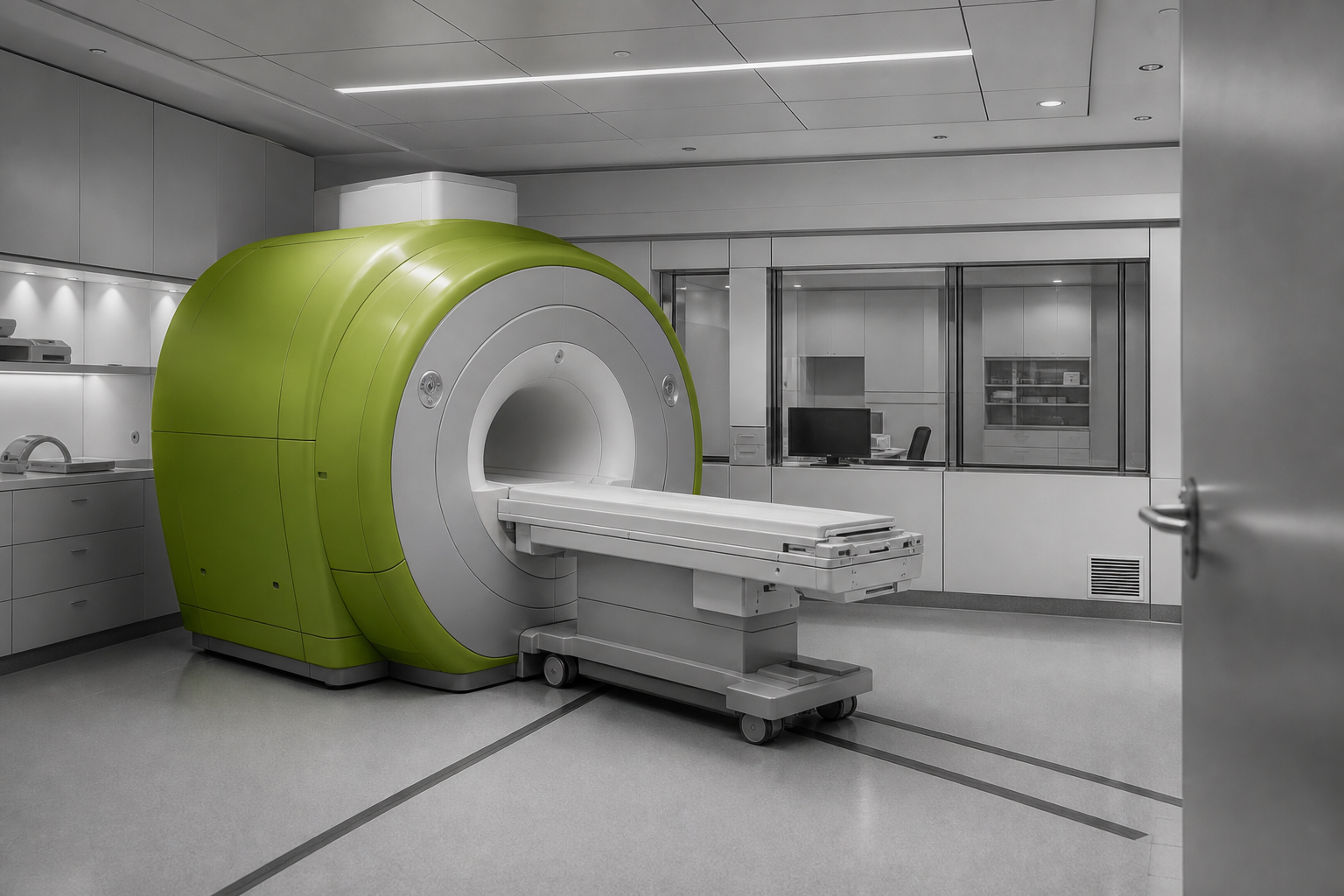
A green MRI scanner inside a monochrome healthcare imaging suite
05 / HEALTHCARE

Understand service economics without losing operational detail.

Model resources, patient pathways, facilities and programmes while keeping access aligned to sensitive organisational boundaries.

  • Service cost
  • Capacity
  • Patient pathways
  • Controlled access
A green bioreactor inside a monochrome pharmaceutical production facility
06 / PHARMACEUTICALS

Connect batches, yield, capacity and compliance to portfolio economics.

Bring production stages, quality events, materials, facilities and commercial forecasts into one governed view of product and site performance.

  • Batch economics
  • Yield & variance
  • Site capacity
  • Portfolio scenarios
Green containers forming one operational flow through a monochrome logistics terminal
07 / CONSUMER, DISTRIBUTION & LOGISTICS

Make channel, customer and fulfilment economics visible.

Connect demand, inventory, warehouse, transport, promotion and customer data to reveal the true cost and margin of serving the market.

  • Channel margin
  • Logistics cost
  • Customer mix
  • Demand scenarios
The model behind the industry

Different vocabulary. The same five decision disciplines.

01

Connect the drivers

Relate operational facts to financial outcomes at the grain management uses.

02

Allocate transparently

Move shared resource and cost through drivers that can be explained and governed.

03

Compare scenarios

Test volume, rate, mix, utilisation, investment and productivity assumptions.

04

Explore interactively

Let leaders move from enterprise signal to operational detail in the same view.

05

Operate repeatedly

Refresh, calculate, publish, explain and notify through a controlled workflow.

Built around your language

OptiFI models the organisation you have—not a generic chart of accounts.

Workspaces can reflect the assets, resources, products, customers, channels, activities and organisational views that shape the decision. Shared dimensions and governed definitions keep the model consistent as reports and scenarios multiply.

  • Custom dimensions, hierarchies and role-aligned views
  • Operational measures beside financial outcomes
  • Allocation and scenario logic that remains inspectable
  • OptiAgent context grounded in approved industry processes
Operations
VolumesAssetsActivitiesService levels
Decision model
DriversAllocationsScenariosForecasts
Economics
RevenueCostMarginCash
Management lens
ProductCustomerChannelAssetRegion
Start with the material question

Prove the decision model before scaling the footprint.

A focused first engagement can connect a defined data scope, build the working model, validate the result and establish the business case for broader adoption.

1. Decision scopeName the management question and accountable owner.
2. Data foundationConnect and reconcile the sources that shape the answer.
3. Working modelConfigure drivers, scenarios, reports and governance.
4. Business caseValidate the insight and define the path to production.
Your industry, your model

Bring the business question that crosses too many systems and spreadsheets.

We will map it to the OptiFI workspace and show how the decision can become faster, clearer and repeatable.